Business Valuation & Deal Finance
How businesses get priced, how multiples are set, and how deal structure changes what a seller actually keeps. Benchmarks, valuation methods, and financial modeling guidance for lower middle market transactions.

How to Normalize Seasonal Working Capital in SMB Deals
Set a closing-month working-capital peg using 12–36 months of reconciled data, normalize seasonality, and agree clear true-up rules.

M&A NDAs: What Sellers Share Before and After Signing
Practical staged guidance on what sellers disclose pre- and post-NDA, data-room controls, and customer/employee limits.

Pending Lawsuits: How Claims Affect Business Value
Price litigation risk, verify insurance, fund downside with indemnities or escrow, and delay or walk away if lawsuits threaten payroll or solvency.

Auto Repair Valuation Tools: SDE vs. EBITDA Multiples
Choose SDE for owner-operated shops and adjusted EBITDA for manager-run businesses—match earnings to who does the work, adjust owner pay, and test financing.
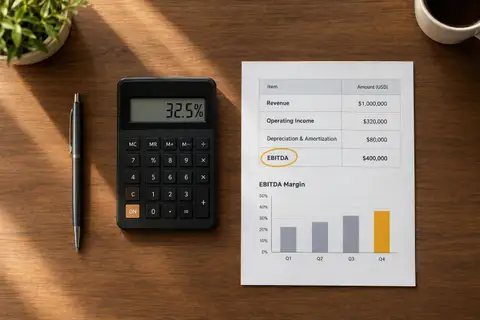
EBITDA Margin Calculator
Calculate EBITDA margin fast with revenue and EBITDA inputs, or build EBITDA from operating income, depreciation, and amortization.

How Owner Dependence Affects Landscaping Valuation
Map owner duties, price replacement labor, and reduce transfer risk to protect earnings and improve landscaping business valuation.

SaaS Acquisition Marketplaces: Fees and Deal Support
Don't judge a SaaS marketplace by commission alone; compare total fees, buyer screening, and deal support to estimate net proceeds.

Gifts vs. Sales to Grantor Trusts: Family Succession
Compare gifts, sales, and hybrid transfers to grantor trusts to balance cash needs, tax exposure, and repayment risk.

Selling Your MSP: Recurring Revenue Exit Preparation
Prepare 2-3 years before selling: reconcile 24 months of contract-level MRR, link contracts to invoices, and separate service vs resale revenue.

Working Capital Peg for Seasonal Business Acquisitions
Use a month-specific working capital peg from 24 months of balances to avoid seasonal surprises and separate post-close cash needs.

EBITDA to Free Cash Flow: Formula and Bridge Example
How to convert normalized EBITDA into unlevered free cash flow by deducting taxes, maintenance and growth CapEx, and changes in operating working capital.

Minority Recap vs Majority Recap
Compare minority vs majority recaps: control shifts, net closing cash, dilution, board rights, and exit timing.

2026 Add-On Deal Trends by Industry
Evaluate 2026 add-on deals across five industries with a focus on cash flow, debt capacity, and integration risk.

Employee Turnover Risk in SMB Acquisitions
A buyer should confirm SMBs can survive key employee departures by pricing risk, funding transitions, and naming backups.

Vertical SaaS Revenue Due Diligence Checklist
Price vertical SaaS on verified, collectible revenue—exclude unverified ARR and tie deal terms to customers, contracts, and collections.

How Washington Taxes Installment Business Sales
Explains Washington rules for installment business sales: capital-gains timing, B&O/sales/use/REET, interest, recapture, and recordkeeping.

Search Fund Returns: 2026 Pattern Report
Headline returns mask concentrated winners and timing risk—prioritize acquisition odds, debt stress, and exit liquidity over headline IRR.

AI in Manufacturing: Guide for Buyers
Practical buyer's guide to verifying, valuing, and transferring AI in manufacturing — evidence standards, risks, and deal paths.

NAV vs EBITDA in Asset-Based Deals
Use NAV, EBITDA, and borrowing base to price asset-based deals, assess downside recovery, and size debt in lower-middle-market transactions.

Ultimate Guide to CPA Firm Exits
Sell or transfer your CPA firm: plan 3-7 years ahead, reduce owner dependence, clean financials, and protect client retention.

BEAT Tax Rules: 2026 Update for Deal Teams
Screen $500M receipts and 3% base erosion; use 10.5% (11.5% for banks), map foreign payments and model BEAT with CAMT.

Operating Margin Analysis for SMB Acquisitions
Rebuild and normalize operating margins for SMB deals to assess valuation, debt capacity, and lender risk.

Accounting Services M&A Trends 2026
2026 accounting firm M&A: high deal volume, lower multiples, pickier buyers; top value to firms with recurring revenue and low owner reliance.

Manufacturing M&A Trends: 2026 Study
U.S. manufacturing M&A 2026: fewer deals but strong megadeals; buyers favor reshoring, automation, defense and lender-ready targets.

IP Reps Review: Red Flags and Fixes
Clean IP ownership and transferable rights are essential to avoid post-close legal and operational shocks in M&A.

Days Payable Outstanding Due Diligence Checklist
Reconcile AP to the GL, track DPO trends, test vendor terms and accruals, and quantify working-capital and post-close cash needs.

SMB Breach Costs and M&A Risk: 2026 Summary
How SMB cyber breaches affect M&A: $120K–$1.24M typical costs, 22–23 day downtime, extortion trends, and valuation/financing impacts.

How Recurring Cleaning Revenue Shapes Deal Value
Weekly/biweekly recurring cleaning revenue boosts valuations and financing — prioritize retention, low client concentration, and tidy records.

Pricing Power and Margin Expansion: Guide
Test pricing power with invoices and P&L, fix discount leaks, and use price/structure to protect post-close margins.

SaaS Valuation Tools: Guide for Buyers
Buyer workflow for SaaS valuation: clean financials, run ARR/EBITDA/SDE/DCF, benchmark comps, and test lender coverage.

HVAC Business Multiples: 2026 Guide
Most HVAC deals in 2026 are priced by size, SDE vs EBITDA, recurring revenue, and owner/deal risk affecting cash at close.

EBITDA Multiples by Deal Size: 2026 Guide
Deal size drives valuation: under $1M often 1.5x–4x SDE; above ~$1M shifts to EBITDA with higher multiples and stronger financing.

Phased Ownership Transfer: 3 Exit Plan Stages
Three-stage exit: sell 20–40% first, phase in management over 6–12 months, then complete the final buyout when cash flow, lenders, and taxes align.

Book Value Analysis for Asset-Based Acquisitions
Turn book value into an underwriting tool: verify AR, inventory, and PP&E; apply appraisals and haircuts to test collateral vs. debt.

Clean Energy M&A: Lower-Middle Market Trends
Buyers pay for recurring service revenue; lower-middle-market clean energy deals trade 3–12x EBITDA, service-heavy firms earn higher multiples.

Agriculture SMB Diligence: AgriTech Checklist
Checklist to validate AgriTech in agriculture SMB deals: verify software, access, hardware, uptime, contracts, staff adoption, and deal impacts.

Ultimate Guide to Marketplace Revenue Valuation
How buyers value marketplaces: verify net revenue, normalize EBITDA, stress-test take rates, and align deal terms.

How to Fix Owner Dependence Before Exit
If your company runs through you, buyers cut value—audit, delegate, document, and prove the business runs without you before exit.

7 Pricing Signals in Lower Middle Market Deals
Cash flow, customer concentration, owner reliance, financing, sector demand, add-backs, and buyer competition set lower middle market deal pricing.
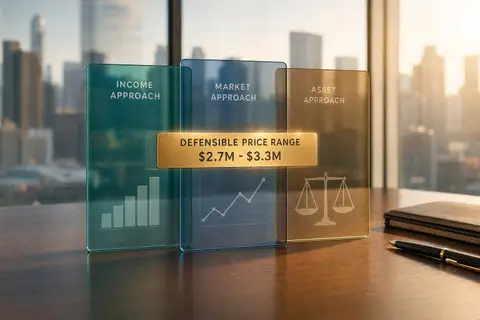
3 Hybrid Valuation Methods for SMB M&A
Compare three hybrid SMB valuation methods - earnings plus assets, market comps plus cash flow, and weighted blends - to build a defensible price range.
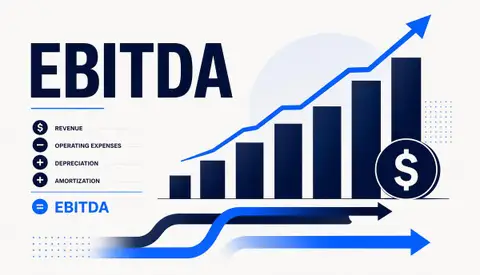
What Is EBITDA? Formula, Adjustments, and Multiples
EBITDA explained for business buyers and sellers: the formula, how it differs from SDE and net income, which add-backs buyers accept, and how multiples turn earnings into a valuation.

Rollover Equity Valuation Checklist
A 20% rollover stake can pay like far less than 20%. Use this four-step checklist to test the cap table, debt stack, share class terms, post-close dilution, and exit rights before you sign.

EBITDA Benchmarks for Professional Services
EBITDA margins and valuation multiples across accounting, law, consulting, agencies, and MSPs in 2026 — plus how adjusted EBITDA, recurring revenue, and owner dependence move the number.

SDE Margin vs EBITDA Margin
SDE margin shows owner take-home pay; EBITDA shows earnings after paying management. See when to use each, how it moves valuation and financing, and how to convert SDE to EBITDA.

How SLA Management Impacts Business Valuation
Disciplined SLA tracking and documented delivery affect valuation, multiples, and deal terms during M&A due diligence.

How KPIs Drive Business Valuation in M&A Deals
Revenue quality, profitability, and customer metrics shape valuation multiples and deal terms in M&A transactions.

Capital Gains Tax Rules for Installment Sales
Spread capital gains with seller-financed installment sales—rules on GPR, depreciation recapture, AFR, NIIT, and annual Form 6252 reporting.

Timing Acquisitions in Long-Term Economic Cycles
Economic cycles shape acquisition costs, financing terms, and competition. Learn how to time and structure deals around DSCR, SBA rates, valuations, and debt cycles.

How to Assess Market Entry Barriers in SMB Acquisitions
Assess regulatory, financial, and operational barriers in SMB deals; score cost, time, and risk to guide due diligence and deal structure.

Reducing CAC: Strategies for Acquired Companies
Recalculate CAC after acquisition, cut inefficient spend, fix funnel leaks, and boost retention to lower long-term acquisition costs.

Ultimate Guide to Financial Statement Review in M&A
Step-by-step M&A financial review: normalize earnings, test cash flow, spot red flags, and set working capital targets.

Ultimate Guide to Pool Business Acquisition Multiples
How pool businesses are valued: SDE/EBITDA multiples, route vs construction, add-backs, and deal structures.

How to Value Fitness Equipment Marketplaces
A practical guide to valuing fitness equipment marketplaces—covering revenue and EBITDA multiples, GMV, take rate, unit economics, and risk adjustments that move the multiple.

How Net Profit Margin Impacts Business Valuation
Net profit margin is a critical factor in determining how much your business is worth. Strong margins drive higher valuation multiples, better financing options, and increased buyer interest.

AR & AP Trends Buyers Must Know
Why analyzing 2–3 years of AR and AP trends — not single snapshots — is the difference between a confident close and an undercapitalized acquisition.

EBITDA Multiples in M&A - Valuation Guide
Explains how EBITDA multiples set enterprise value, what drives multiples, and how deal structure affects M&A pricing.
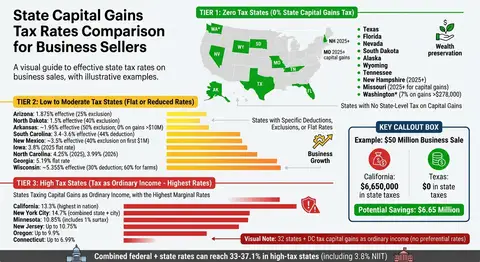
State Capital Gains Tax Guide for Sellers
Practical breakdown of how U.S. states tax business sale gains, top high- and no-tax states, and strategies to minimize state-level taxes.

Accounting Policies & Business Valuation
How revenue recognition, depreciation, inventory and provisioning choices alter EBITDA, cash flow, and business valuation.

How to Value a Niche Commercial Cleaning Business
Valuing a niche commercial cleaning business involves understanding its financial performance, recurring revenue, and unique service offerings. Learn how to use SDE, EBITDA, and revenue multiples to determine fair market value.

How to Value an Air Duct Cleaning Business
Valuing an air duct cleaning business focuses on its earning potential and operational efficiency. Learn the key metrics, industry multiples, and strategies to maximize your valuation.

5 Tax Benefits of Seller Financing for Business Sales
Spread capital gains, avoid tax spikes, earn interest, and boost after-tax proceeds by using seller financing for business sales.

Capital Expenditure Patterns in Main Street M&A
CapEx timing and allocation now drive Main Street M&A valuations, shaping deal structure, financing options, and buyer interest.

How To Value Customer Relationships in M&A
Learn how to value customer relationships in M&A transactions using the MPEEM method, cohort analysis, and qualitative factors. Customer relationships can account for 40–60% of total intangible value in service-based deals.

How to Value Niche Subscription Businesses
Niche subscription businesses are attracting attention because of their predictable revenue streams, loyal customers, and growth potential. Here's a quick breakdown of how to assess their value:

Role of Asset Liquidity in Debt-Based Financing
Liquidity matters when it comes to securing loans. Lenders prioritize assets that can quickly convert to cash, such as cash reserves, stocks, or receivables, because they reduce risk. Businesses with strong liquidity often enjoy better loan terms, faster approvals, and higher borrowing limits. Howev

How Digital Transformation Boosts Deal Value
Digital transformation is now a key driver of business value in mergers and acquisitions (M&A). Buyers increasingly prioritize factors like digital maturity, scalable systems, and data quality over traditional metrics like revenue and EBITDA. Companies with advanced digital capabilities often se

Business Loan Eligibility Calculator
Running a small business is no small feat, and sometimes, a financial boost is just what you need to grow. Figuring out if you qualify for funding can feel like navigating a maze, but it doesn’t have to be. Tools like a business loan qualification calculator can simplify the process by giving you a
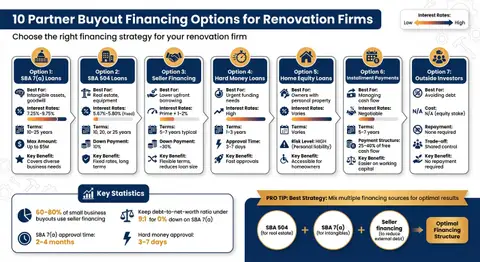
10 Tips for Financing a Partner Buyout in Renovation Firms
Financing a partner buyout in a renovation firm can be tricky - lenders often see it as risky since it doesn't generate new revenue. But with the right approach, you can secure funding without putting your business at risk. Here’s a quick breakdown of the top strategies:
Business Acquisition Financing Options for Healthcare in Texas
Texas • Healthcare • Acquisition Financing

Business Acquisition Financing Options for Construction in Colorado
A practical overview of the most common acquisition and construction-related financing structures used in Colorado, plus eligibility basics, common pitfalls, and a clear step-by-step process.

Revenue Multiples vs. EBITDA: How SaaS and MSP Companies are Really Valued
For SaaS and MSP businesses, valuation boils down to two main approaches: revenue multiples and EBITDA multiples. Each method reflects the unique nature of these business models:
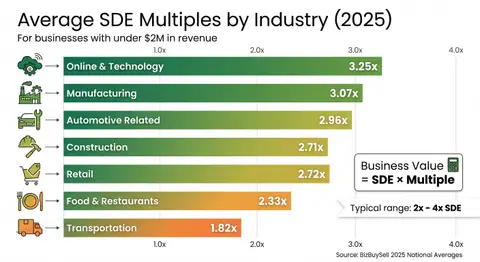
How to Value a Business with Under $2M in Revenue.
Accurately valuing a small business with less than $2M in revenue requires a clear understanding of financial metrics, valuation methods, and risk factors. Here's a quick breakdown:

The Ultimate Guide to Business Acquisition Financing in 2026
Business acquisition financing in 2026 offers a range of tools to help buyers purchase established businesses without depleting personal savings. With Baby Boomers retiring at a rate of 10,000 per day, the market is flooded with opportunities. SBA loans, seller financing, and hybrid funding models a

The Impact of Current Interest Rates on Business Valuations
Interest rates directly influence business valuations, especially for smaller companies that rely on debt financing. When rates rise, borrowing costs increase, discount rates go up, and future cash flows lose value. From 2022 to 2023, higher rates caused valuations for small-to-medium businesses to
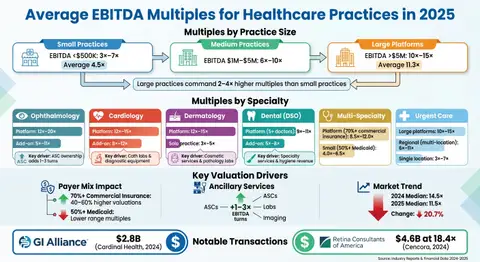
Average EBITDA Multiples for Healthcare and Medical Practices
When valuing healthcare and medical practices, EBITDA multiples are a key measure used to calculate enterprise value. These multiples vary widely depending on factors like practice size, specialty, payer mix, and operational structure. Here's a quick overview:
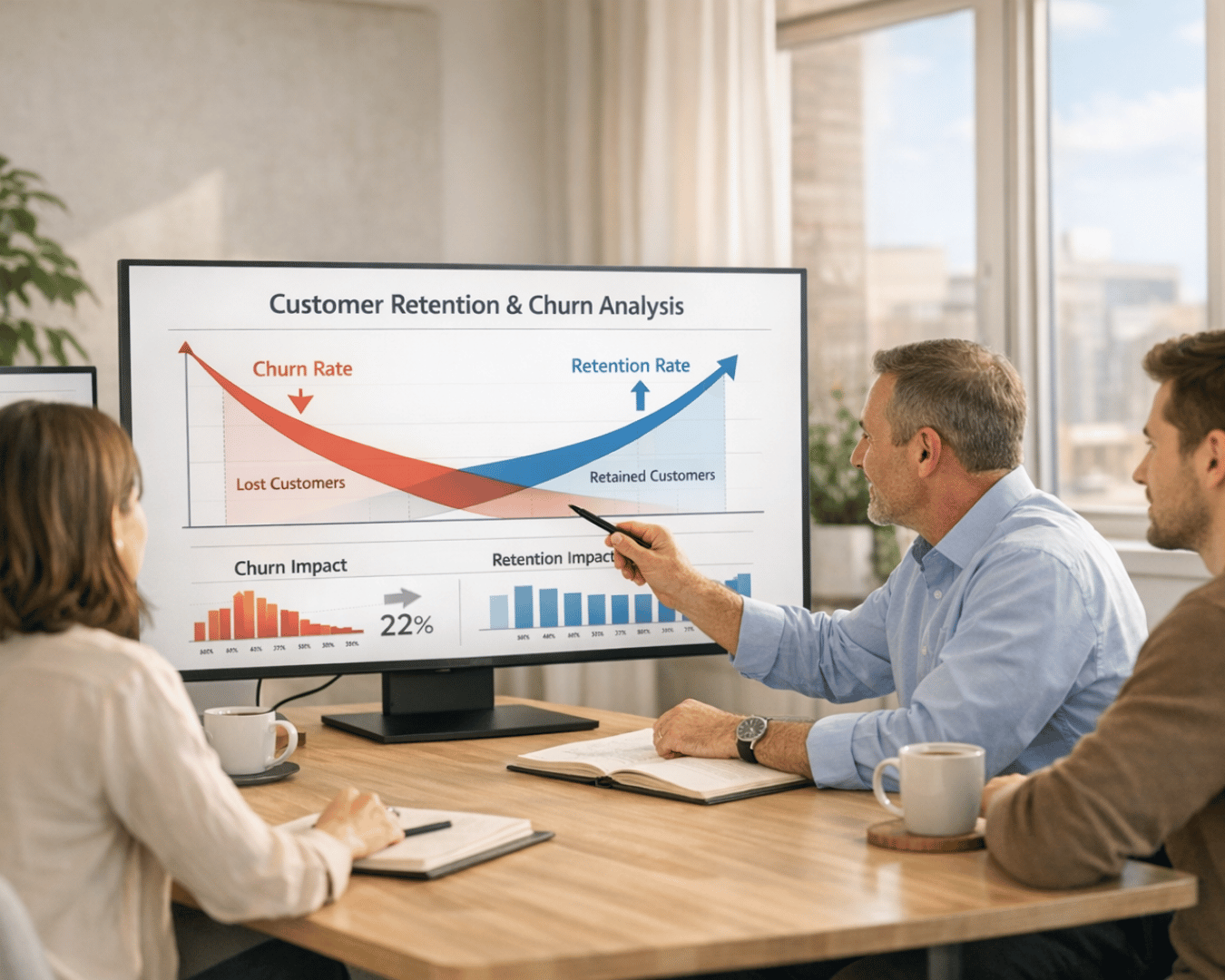
How Churn Impacts Business Valuation
Customer churn directly affects how much a business is worth. Here’s why:

Business Loan Interest Calculator
Running a small business often means seeking funding to grow or manage cash flow. Figuring out the cost of borrowing can feel overwhelming, but a reliable tool can make all the difference. That’s where a business financing calculator comes in handy, helping you break down monthly payments and the ov

Small Business Exit Value Estimator
If you’re an entrepreneur thinking about selling, knowing the potential sale price of your company is a critical first step. A tool like our Small Business Exit Value Estimator can help you get a ballpark figure by crunching numbers like revenue, profit, and industry type. It’s not just about curios

How Liquidity Ratios Impact Business Valuation
When evaluating a business, liquidity ratios are key to understanding its ability to pay short-term debts. These metrics - current ratio, quick ratio, and cash ratio - reveal how well a company manages its financial obligations and directly influence its valuation. Here's what you need to know:

Interest Income Tax on Seller Financing
Seller financing allows you to act as a lender when selling a property or business, receiving payments over time that include principal and interest. For tax purposes:
How Recurring Revenue Impacts Business Valuation
Recurring revenue is a reliable, ongoing income stream from subscriptions or contracts. It makes businesses more attractive to buyers by reducing risk, ensuring predictable cash flow, and commanding higher valuation multiples. Compared to one-time sales models, recurring revenue businesses are value

Business Deal Structure Analyzer
When it comes to sealing a business agreement, the way you structure the payment can make or break your financial future. Choosing between cash upfront, staggered installments, or an equity stake isn’t just a preference—it’s a strategic decision. That’s where a tool to evaluate business deal framewo

How to Value a Small Business: The 3 Core Methods Explained
Valuing a small business boils down to three key methods, each suited to different scenarios:

Business Valuation 101: How Buyers and Lenders Determine Price
Business valuation helps determine what a company is worth by analyzing its financials, assets, market position, and growth potential. Accurate valuations are critical for buyers to avoid overpaying and for lenders to assess risk when financing acquisitions. Three key methods are used:

The Difference Between Business Value and Sale Price (And Why It Matters)
When buying or selling a business, business value and sale price are two distinct concepts that can often differ significantly. Here's the key difference:

Tax Traps in Equity Rollovers to Avoid
Equity rollovers can defer taxes, but hidden tax traps can lead to costly surprises. Here's what you need to know:
5 Deferred Payment Structures for SMB Acquisitions
When buying or selling a small or medium-sized business (SMB), deferred payment structures can help close deals by spreading out payments over time. These methods reduce upfront costs for buyers and give sellers a chance to achieve their desired valuation. Here are the five most common deferred paym

Papa John's Stock Jumps as Apollo Offers Buyout Valued at 30% Premium
Papa John’s International Inc. (NASDAQ:PZZA) has become a focal point in the stock market following a $64 per-share buyout bid from private-equity firm Apollo Global Management (NYSE:APO). This bid values the pizza chain at approximately $3 billion enterprise value, representing a 21% premium over t

How Institutional Investors Reshape Private Credit
Institutional investors have transformed private credit into a $2–2.5 trillion market, now competing with bank lending and public debt. Nearly 95% of institutional portfolios include private credit, driven by post-2008 banking regulations and demand for higher yields. This shift has created faster,
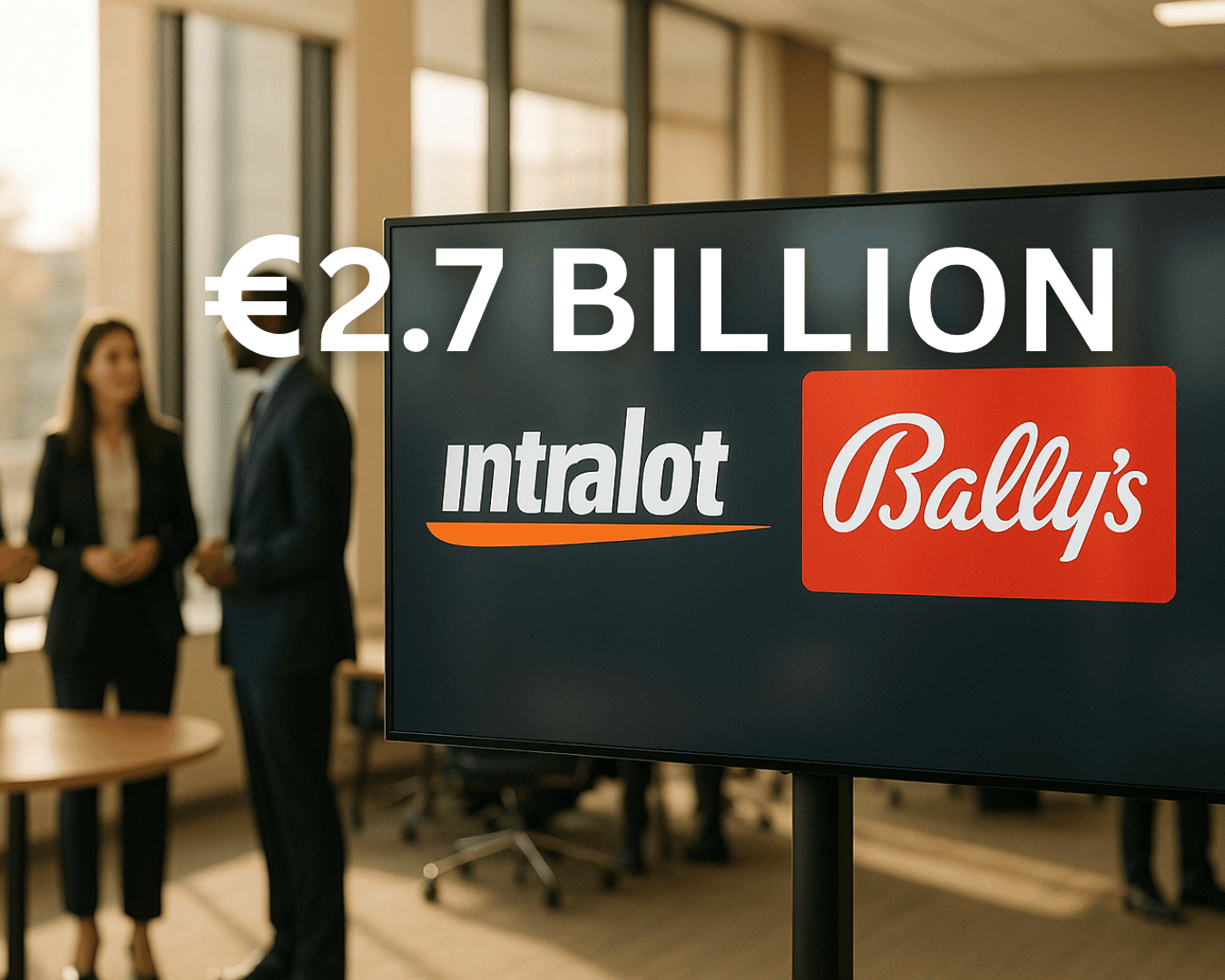
Intralot Completes €2.7bn Acquisition of Bally’s International Interactive Business
Gambling giant Intralot has finalized its €2.7 billion (~£2.3 billion) acquisition of Bally’s International Interactive business from Bally’s Corporation, marking a significant milestone in the company’s expansion strategy.
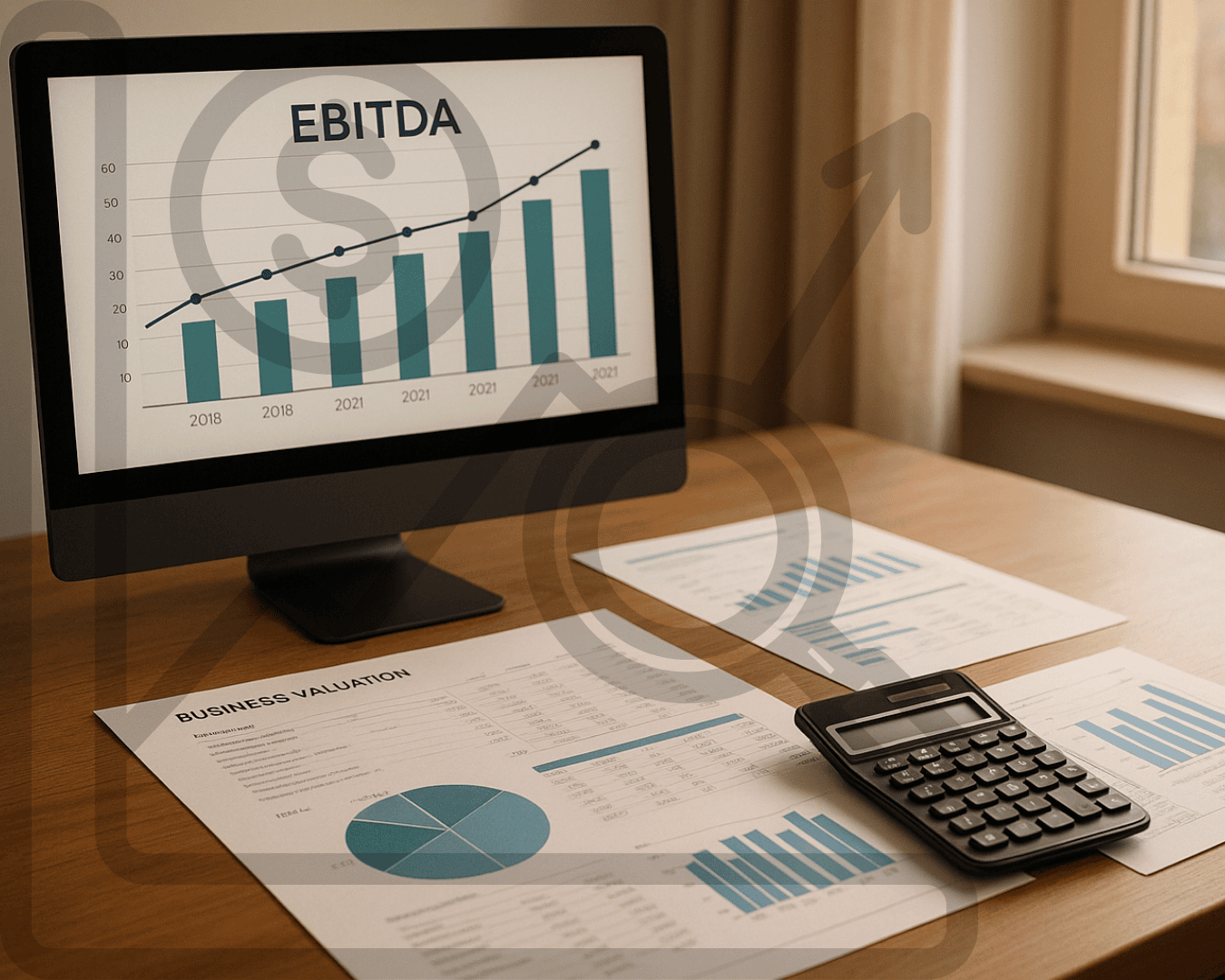
How EBITDA Adjustments Impact Business Valuations
When valuing a business, EBITDA (Earnings Before Interest, Taxes, Depreciation, and Amortization) is a key metric. It isolates a company’s core earnings, removing external factors like financing and taxes, making it easier to compare businesses across industries. Adjustments to EBITDA, such as addin

Key Players in Private Credit for SMB Financing
Private credit has become a major funding source for small and medium-sized businesses (SMBs), offering faster and more flexible options compared to traditional bank loans. With nearly 50% of new SMB credit facilities in the U.S. now provided by alternative lenders, this market is reshaping how busi

5 Common Collateral Types for Business Loans
When applying for a business loan, lenders often require collateral - assets pledged to secure the loan and reduce their risk. The five most common types of collateral are:

Choosing Alternative Funding: Grants, Debt, Bootstrapping
In an evolving entrepreneurial landscape, the path to funding is no longer a one-size-fits-all venture capital (VC) journey. With the VC model often excluding businesses that don’t fit the high-risk, high-reward mold, many entrepreneurs are discovering alternative funding pathways like grants, non-d

How Revenue Assumptions Impact Business Valuation
Revenue assumptions are a core factor in determining how much a business is worth. Whether you're buying, selling, or valuing a company, these projections influence key valuation methods like discounted cash flow (DCF), revenue multiples, and exit multiples. Here's why they matter:

Tax Impact of Equity in Search Funds
Search funds offer a structured way for entrepreneurs to acquire and grow businesses, but the tax implications of equity distribution can significantly affect returns. Here's what you need to know:

Business Profit Margin Analyzer
Running a business is no small feat, and understanding your financial health is the foundation of sustainable growth. Many entrepreneurs overlook the power of digging into their numbers, but that’s where profitability analysis comes in. By breaking down revenue, costs, and expenses, you can pinpoint

How to Scale a Startup to a $10M Valuation
Scaling a business beyond the startup phase is one of the most challenging, yet rewarding, endeavors for entrepreneurs. While many businesses aim to reach that elusive $10 million valuation, only 1% of them succeed. For acquisition-minded operators, business owners, and investors, understanding the

Main Street Investment Return Analyzer
Investing in local businesses can be a rewarding way to grow your money while supporting your community. Whether it’s a cozy neighborhood restaurant or a bustling retail shop, understanding the financial outlook is key to making smart choices. That’s where tools like our Main Street Investment Retur

Small Business Valuation Estimator
Estimate your small business value in minutes with our free tool. Input revenue, profit, and more to get a quick valuation range. Try it now!

Loan Amortization Calculator
Managing a loan—whether for personal goals or business growth—can be a daunting task. That’s where a loan repayment planner comes in handy. This powerful tool helps you visualize every step of your repayment journey, from the first payment to the last. By entering just a few details, you can uncover

How Profitability Ratios Impact Business Valuation
Profitability ratios matter because they reveal how well a business turns revenue into profit - key for understanding its financial health and valuation potential. These metrics help investors and buyers assess whether a company is worth acquiring or investing in.

Business Break-Even Calculator
Running a small business comes with endless questions, especially around money. How many sales do you need to stop losing cash? When will your hard work finally pay off? A business break-even calculator is a powerful way to get those answers without drowning in spreadsheets or financial jargon.

How to Value Historic Property Restoration Businesses
Valuing historic property restoration businesses requires understanding their unique challenges and strengths. These companies specialize in preserving historically significant buildings, often requiring expertise, certifications, and compliance with strict regulations. Here's a quick breakdown of w

Cash Flow Projection Tool
Running a small business often feels like juggling a dozen priorities at once. Between managing clients, inventory, and payroll, it’s easy to lose sight of your financial health. That’s where forecasting your cash inflows and outflows becomes a game-changer. By mapping out your expected revenue and

Small Business Investment ROI Calculator
For small business owners and entrepreneurs, making smart financial decisions is everything. That’s where a tool to estimate your return on investment can be a lifesaver. Whether you’re launching a new product, expanding operations, or buying equipment, knowing the potential payoff helps you weigh t
Business Acquisition Cost Estimator
When you’re dreaming of owning a business, the excitement can sometimes overshadow the nitty-gritty financial details. Estimating the full expense of purchasing a company isn’t just about the asking price—it’s about piecing together a puzzle of fees and charges that can add up fast. Tools like a bus

Business Valuation Calculator
Ever wondered what your company is truly worth? A business valuation calculator can be a game-changer for entrepreneurs and small business owners looking to understand their financial standing. Whether you're preparing for a sale, pitching to investors, or just mapping out your next big move, having

How Seasonality Affects Business Valuation Models
Understand how seasonality impacts business valuations, from cash flow forecasting to industry-specific challenges, and learn best practices for accurate assessments.
5 EBITDA Benchmarks for SMB Valuation
EBITDA is a critical metric for valuing small and medium-sized businesses (SMBs) in the U.S. It simplifies comparisons by focusing on core profitability, excluding financing, taxes, and non-cash expenses. Valuations often rely on multiples of adjusted EBITDA, typically ranging from 3x to 6x, dependi

Mezzanine Financing Trends in Main Street M&A
Mezzanine financing has become a popular tool for funding small and medium-sized business (SMB) acquisitions in 2025. It bridges the gap between debt and equity, offering flexible terms without requiring significant collateral or major ownership dilution. Here's what you need to know:

10 KPIs to Track Working Capital Efficiency - Part 2
Days Payable Outstanding (DPO) measures the average number of days a business takes to pay its suppliers after receiving an invoice. It's a critical indicator of how well a company manages its payables, balancing cash flow optimization with maintaining healthy supplier relationships. DPO is also a k

10 KPIs to Track Working Capital Efficiency - Part 1
Managing working capital efficiently is essential for keeping your business running smoothly. By tracking key performance indicators (KPIs), you can identify cash flow bottlenecks, improve liquidity, and maximize growth opportunities. Here are 10 must-know KPIs for assessing working capital:

Key KPIs for Evaluating SMB Operational Health
When you're assessing the health of a small or medium-sized business (SMB), KPIs (Key Performance Indicators) are your go-to tools for making informed decisions. These metrics give you a clear picture of how a business is performing beyond just financial statements. Whether you're buying a business

Solving Financial Risk Challenges in SMB Acquisitions
Buying an established small or medium-sized business (SMB) comes with risks that can derail your investment if not managed properly. From unstable cash flow to hidden liabilities and overvaluation, these challenges can impact both the deal and the business's future success. Here's what you need to k

How Risk Impacts Business Valuation
Risk directly affects how much a business is worth. Higher risk means lower valuation, while lower risk can boost value. Here's what you need to know:

How Competitive Analysis Impacts Business Valuation
When valuing a business, it’s not just about the financials. Understanding the competitive landscape is equally important. Here’s why:

Quality of Earnings vs. Revenue Verification
When buying or selling a business, understanding its financial health is key. Two important tools for this are Quality of Earnings (QoE) reports and Revenue Verification. Here's a quick breakdown:
10 Best Invoice Factoring Companies for SMBs 2025
Invoice factoring is a fast, debt-free way for SMBs to turn unpaid invoices into immediate cash.

Tax Planning for Partner Buyouts
Partner buyouts can have major tax implications for both departing and remaining partners. Whether you’re selling your share or acquiring someone else’s, understanding tax rules and strategies is critical to avoid costly mistakes and optimize outcomes. Here's what you need to know:

Tax Treatment of Hybrid Debt: Key Considerations
Hybrid debt instruments are a mix of debt and equity, offering companies flexibility in financing. They are popular for acquisition financing due to potential tax-deductible interest payments and cost savings compared to traditional equity. However, their tax treatment depends on whether they are cl

How Revenue Trends Impact SMB Valuations
Revenue growth trends are critical for small business valuations. High-growth businesses - those with growth rates above 25% - often secure valuations 25% higher than their peers. Investors now prioritize steady revenue growth over immediate profit margins, significantly influencing acquisition deci

Cash Flow Lending vs Asset-Based Lending
When financing a business acquisition, cash flow lending and asset-based lending are two primary options. Here’s the key difference: cash flow lending focuses on a company’s future income and profit potential, while asset-based lending relies on the value of tangible assets like inventory or equipme

The New Playbook: Owning Cash-Flowing Businesses and Bitcoin for Generational Wealth
This is not theory. This is the blueprint.

How to Handle Unrealistic Seller Valuations
Unrealistic seller valuations are one of the biggest barriers to closing business deals. Many sellers overestimate their business's worth due to emotional ties, hearsay, or personal financial needs. This disconnect often leads to delays, failed negotiations, or abandoned sales.

Search Funds & Main Street Investing: The Private Money Alternative You’ve Been Overlooking
When most private investors think about alternative investments, they look to real estate, private equity funds, or venture capital. But there’s a compelling asset class hiding in plain sight: Main Street businesses.
5 Debt Ratios for Business Acquisitions
When evaluating a business for acquisition, understanding debt ratios is critical. These metrics reveal how a company manages its debt and financial risks. Here's a quick summary of the five key debt ratios you need to know:

Building a Capital Strategy: How Equipment, LOCs, and Working Capital Loans Power Your Business
Want to grow your business and manage cash flow effectively? Here's the key: Use a mix of financing tools like equipment financing, lines of credit (LOCs), and working capital loans. These tools can help fund growth, cover daily expenses, and prepare for unexpected costs.

The Financing Stack: How to Layer Equipment Loans, Lines of Credit, and Working Capital for Business Growth
Want to grow your business without draining cash flow? Here's how:

The Working Capital Loan Trap: What Borrowers Overlook Until It’s Too Late
Working capital loans can solve short-term cash flow problems, but rushing into them without understanding the terms can lead to financial trouble. Hidden fees, confusing interest rates, rigid repayment schedules, and collateral risks are common pitfalls borrowers often miss. Here's what you need to

How to Mitigate Seller Financing Risks
Seller financing can help close deals faster and fetch higher prices, but it comes with risks like buyer default, legal challenges, and cash flow issues. To protect your investment:

Raising Growth-Stage Equity for Main Street Businesses: When, Why & How
For most Main Street entrepreneurs, the early stages of building a business are marked by hustle, grit, and a heavy dose of bootstrapping. You launch with savings, maybe an SBA loan, and grind your way to profitability. If you’re lucky — or skilled — you build a seven-figure business that supports y
The Hidden Costs of Equipment Financing (and How to Avoid Them)
When financing equipment, the price tag is just the beginning. Hidden costs - like delivery, installation, training, maintenance, and loan fees - can quickly add up, straining your cash flow and cutting into profits. For example:
How Industry Consolidation Impacts SMB Valuations
Industry consolidation is reshaping how small and medium-sized businesses (SMBs) are valued. Here’s what you need to know:

The Real Cost of Capital: Understanding Interest, Fees, and Repayment Terms
Borrowing money for your business? It’s about more than just the interest rate. The total cost of a loan includes interest, fees, repayment terms, and how these factors impact your cash flow. Here’s what you need to know:
The Ultimate Guide to Business Financing Options in 2025
Looking for the best way to fund your business in 2025? Here's everything you need to know about financing options this year, from SBA loans to modern alternatives like revenue-based financing.

The Pros and Cons of Short-Term Business Financing
Need quick cash for your business? Short-term financing can be a lifesaver, offering funds within 12 months for cash flow issues or unexpected expenses. But it comes at a cost - higher interest rates and potential risks. Here’s a quick breakdown of three popular options:

Revolving vs. Non-Revolving Lines of Credit: Key Differences Explained
Looking for the right type of credit for your business? Here’s the quick answer:

Business Line of Credit vs. Term Loan: Which Is Right for You?
When deciding between a business line of credit and a term loan, the right choice depends on your business needs. Here’s a quick breakdown:

Private Credit in SMB Acquisitions: 3 Case Studies
Private credit is reshaping SMB acquisitions by offering flexible, tailored financing solutions where traditional loans fall short.

Cash Flow Sensitivity Analysis for Small Businesses
Cash flow sensitivity analysis helps small businesses plan for changes in revenue, costs, and payment timing. This ensures better financial decisions, avoids cash shortages, and builds accurate forecasts for stakeholders. Here’s what you need to know:

How to Use Liquidity Ratios in M&A Deals
Liquidity ratios are critical for evaluating a company's financial health during mergers and acquisitions (M&A). These ratios help determine if a company can meet short-term financial obligations and identify potential risks or cash flow issues.

Invoice Financing vs Business Loans
Invoice financing and business loans are two ways businesses can get funding. Here's the quick breakdown:

Catalyst Fund I: Empowering the Next Generation of Entrepreneurs and Unlocking Hidden Yield in SMEs
The business landscape is at a transformative juncture. As baby boomer business owners prepare to pass the torch, a seismic shift is underway—one that opens up significant opportunities for new leadership and innovation in small and medium-sized enterprises (SMEs). At Clearly Acquired, we are proud

5 Essential Steps to Secure Business Acquisition Funding
Securing funding for a business acquisition can be a challenge, but with the right steps, it’s achievable. Here’s a quick roadmap to get started:
Top 6 Business Valuation Methods Compared
Looking to value a business? Here’s what you need to know: