Not an offer to sell securities. Offerings are made solely to verified accredited investors via Private Placement Memorandum under SEC Rule 506(c) of Regulation D.
    Fleet of essential-service trucks lined up at dawn

    For Accredited Real Estate Investors · 506(c) Private Placement

    You've Bought Buildings at a 5% Cap Rate. We Buy Essential Businesses at the Equivalent of 20–33%.

    We acquire established, proven brands in the trades and essential services — plumbing, HVAC, electrical, industrial fabrication, and essential healthcare like community pharmacies — at 3–5x EBITDA. Hard assets, contracted backlogs, and seasoned teams already in place. Structured like the syndications you already know: 8% preferred return, 80/20 LP/GP split, quarterly reporting. GPs seeded the first $1M with our own capital.

    Request Investor Package

    $100K minimum · Verified accredited investors only · Reviewed under Rule 506(c)

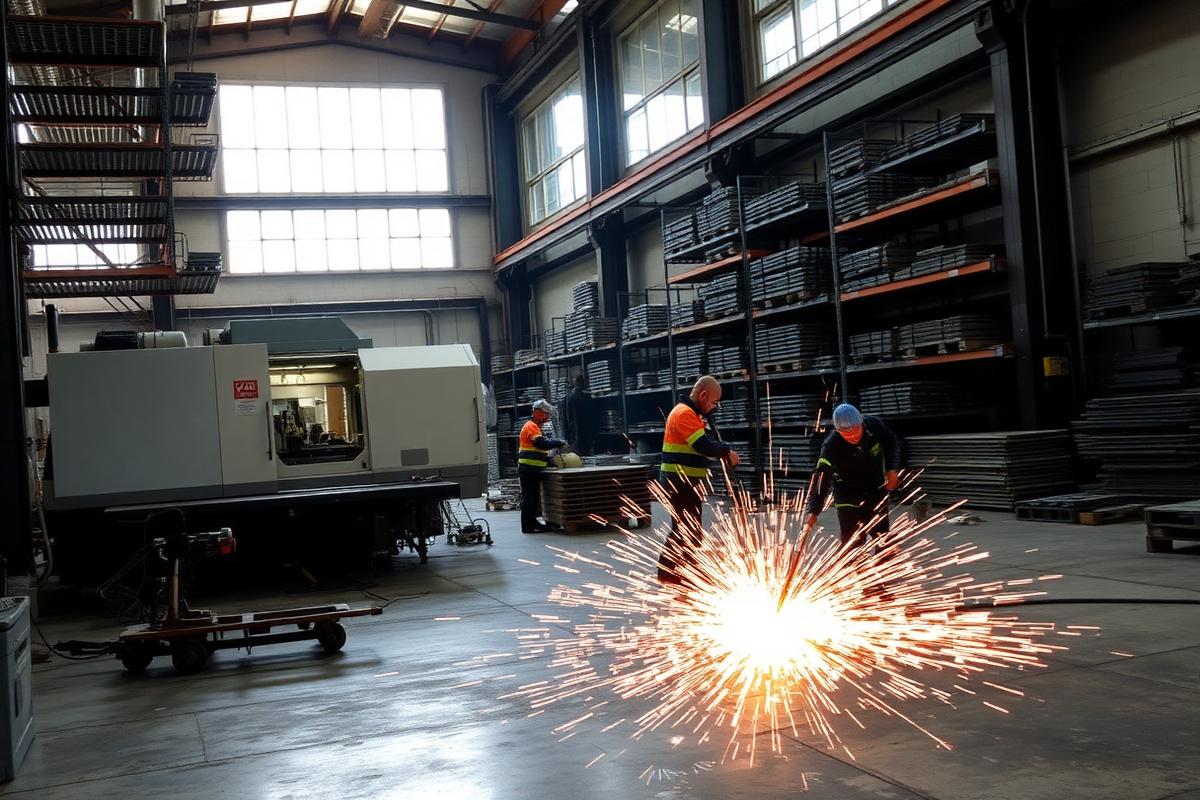
    Fabrication shop floor thumbnail for the founder thesis video
    $10M
    Initial target raise
    $1.25M
    Raised to date — first close in progress
    $1M
    GP capital already invested
    $100K
    Minimum investment
    506(c)
    Accredited investors only

    If You Understand Real Estate, You Already Understand This.

    Fleet of service trucks and vans parked in a contractor yard at dawn

    Established Brands & Hard Assets

    You know: Brick & mortar. A stabilized asset with a track record — not a spec development.

    We buy: Established brands — companies with years, often decades, of local reputation, repeat customers, and market position — plus the hard assets behind them: trucks, machinery, fabrication equipment, inventory, and often the shop real estate itself.

    Pharmacist filling prescriptions behind an independent community pharmacy counter

    Essential & Defensive Demand

    You know: People always need a roof.

    We buy: Businesses the economy can't skip — plumbing, HVAC, electrical, industrial fabrication, and essential healthcare, like community pharmacies. Non-discretionary demand that doesn't wait for a good economy.

    Industrial metal fabrication shop floor with CNC machinery and steel stock

    Predictable Income, in More Than One Form

    You know: Rent checks from a signed lease.

    We buy: Income that shows up in different forms depending on the business: recurring commercial service contracts and maintenance agreements in some — and in others, a contracted backlog of booked work. Think of backlog like a rent roll: signed, scheduled revenue waiting to be performed.

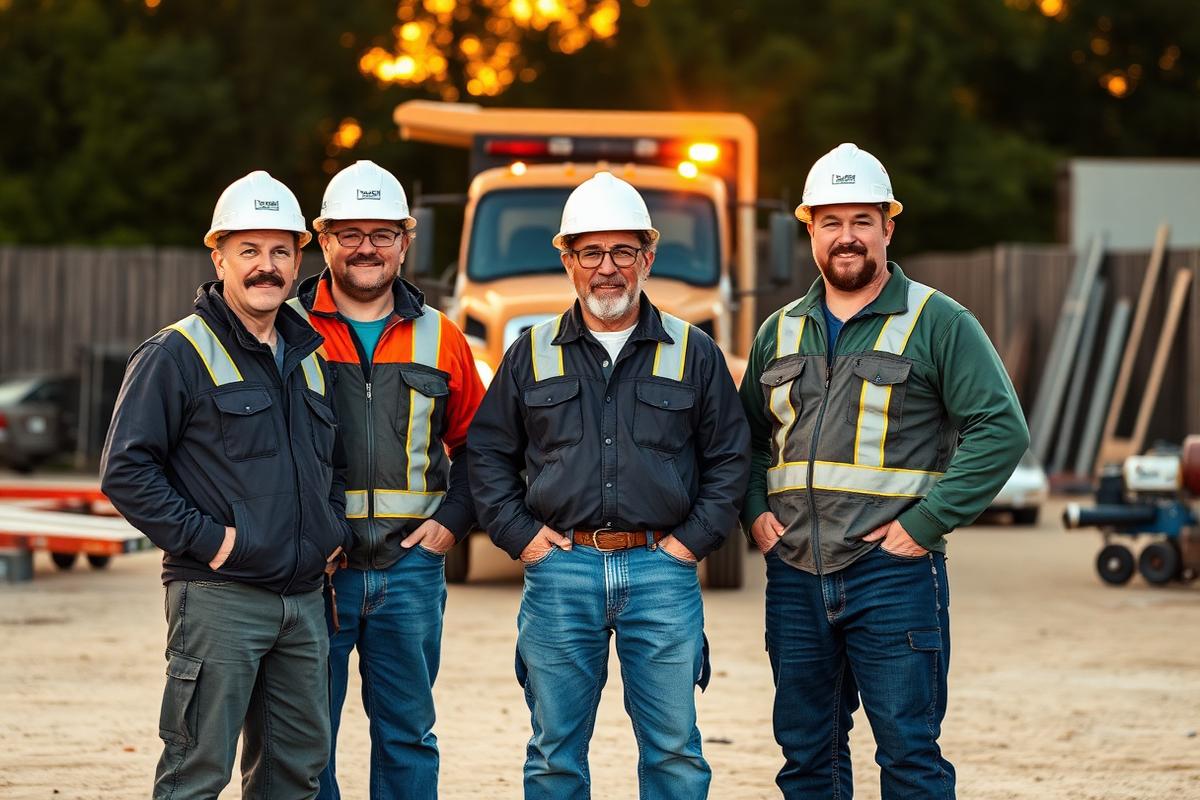
    Seasoned trades crew standing together on a job site at golden hour

    Seasoned Teams Already in Place

    You know: A great property manager and full occupancy on day one.

    We buy: Companies that come with a tenured team of licensed tradesmen and industry professionals — the crews, pharmacists, estimators, and foremen who generate the revenue. We're not buying a job; we're buying an operating engine with people who already know how to run it.

    $10T

    In small businesses changing hands as boomers retire

    10,000+

    Boomers retiring every single day

    77%

    Of owners want out within 5 years

    <15%

    Have any succession plan at all

    A once-in-a-generation buying opportunity — most of these businesses don't have a buyer. That's why they trade at 3–5x earnings while buildings trade at 16–20x.

    The Best-Performing Private Asset Class You've Never Been Pitched.

    Search Funds32.1% gross IRR
    Private Equity16%
    Venture Capital15%
    S&P 50011%

    6.9x average return · 84% of funds profitable · Source: Stanford GSB, 2024 data (performance since 1984)

    What This Looks Like in Practice: Environmental Construction Co.

    Field crew thumbnail for the case study walkthrough video
    $5.5M
    Deal size
    $1.8M
    EBITDA at acquisition
    $10.3M
    Federal contract closed
    $12M
    Contract pipeline

    Eighteen months after acquisition, the business is on track for $20M in top-line revenue — roughly double gross revenue at purchase. Contracted backlog, a seasoned field team, and hard equipment on the balance sheet: the exact profile this fund targets.

    The Same Math You Run on Every Deal. A Different Answer.

    When you underwrite a building, you divide the income by the price. That's the cap rate. Run the same math on an essential-services acquisition:

    What you pay
    Commercial Real Estate16–20x annual NOI
    Essential Service Business3–5x annual EBITDA
    Implied yield at purchase
    Commercial Real Estate~5–6% cap rate
    Essential Service Business~20–33% earnings yield
    Income source
    Commercial Real EstateA few tenants
    Essential Service BusinessHundreds of customers, commercial contracts, contracted backlog
    Hard assets
    Commercial Real EstateThe building
    Essential Service BusinessTrucks, equipment, inventory, an established brand, (often) the shop real estate
    Team in place
    Commercial Real EstateProperty manager
    Essential Service BusinessSeasoned tradesmen, pharmacists, estimators, foremen

    Why does this gap exist? Because small-business acquisitions are an inefficient market. There's no Zillow for a $3M plumbing company. Sellers are retiring owners, not institutions. Deals are found through relationships and closed by operators — which is exactly what our team does.

    In Real Estate, Losing One Tenant Hurts. Our "Tenants" Number in the Hundreds.

    A single-tenant NNN property is one lease away from zero income. A 20-unit multifamily is a soft local job market away from vacancy. Our portfolio companies serve hundreds of residential and commercial customers each — no single customer typically represents more than a small fraction of revenue, and demand is driven by things breaking, wearing out, and being required by code. Nobody defers a burst pipe.

    One building · 3 tenants

    One vacancy = a third of the income gone.

    One service company · 200+ customers

    No single customer typically drives more than a sliver of revenue.

    "But What About My Depreciation?"

    Fair question — it's the first one every real estate investor asks. No, there's no 27.5-year building schedule here. Here's what there is:

    Equipment write-offs (Section 179 / bonus depreciation)

    Trucks, machinery, and fabrication tools are depreciable assets — often on far faster schedules than buildings.

    Amortization of acquisition financing

    Our deals use SBA 7(a) and senior debt structures where principal paydown builds equity every quarter, similar to your mortgage amortization.

    The bigger lever — raw cash-on-cash

    Real estate needs depreciation because the underlying yield is thin. At a 3–4x purchase multiple, the strategy is built on cash flow first, with tax efficiency layered on — not the other way around.

    Nothing here is tax advice. Consult your own CPA or tax advisor regarding your situation.

    You've Seen What Happens When a Syndicator Can't Operate. We're Operators First.

    Pharmacy counter thumbnail for the meet-the-GPs video
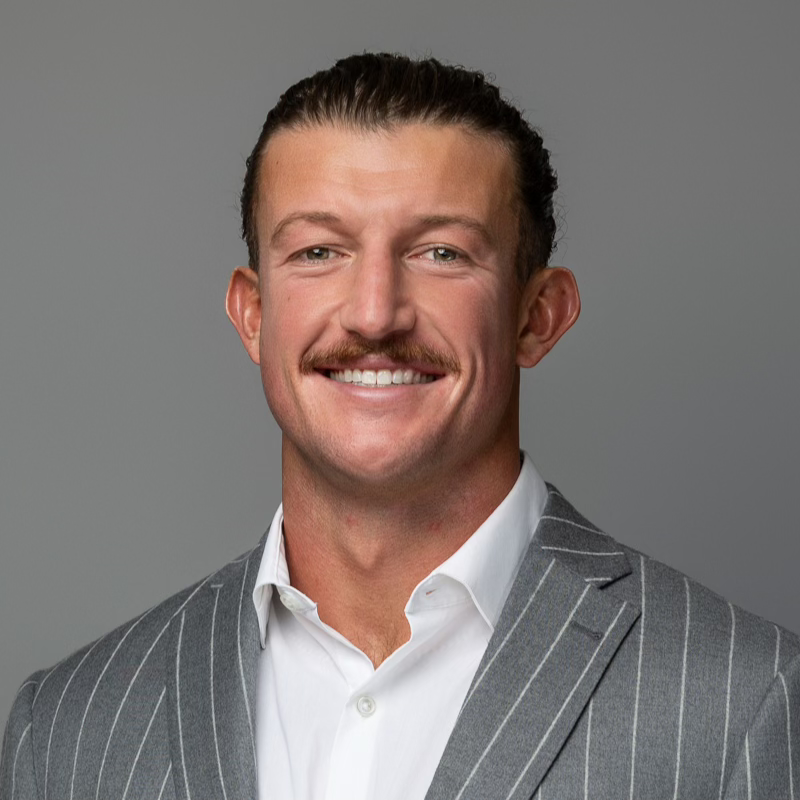
    Samson Jagoras, Principal & CEO/CIO

    Samson Jagoras

    Principal & CEO/CIO

    15+ years across entrepreneurship, acquisitions, and operations. Leads fund strategy, capital deployment, and growth.

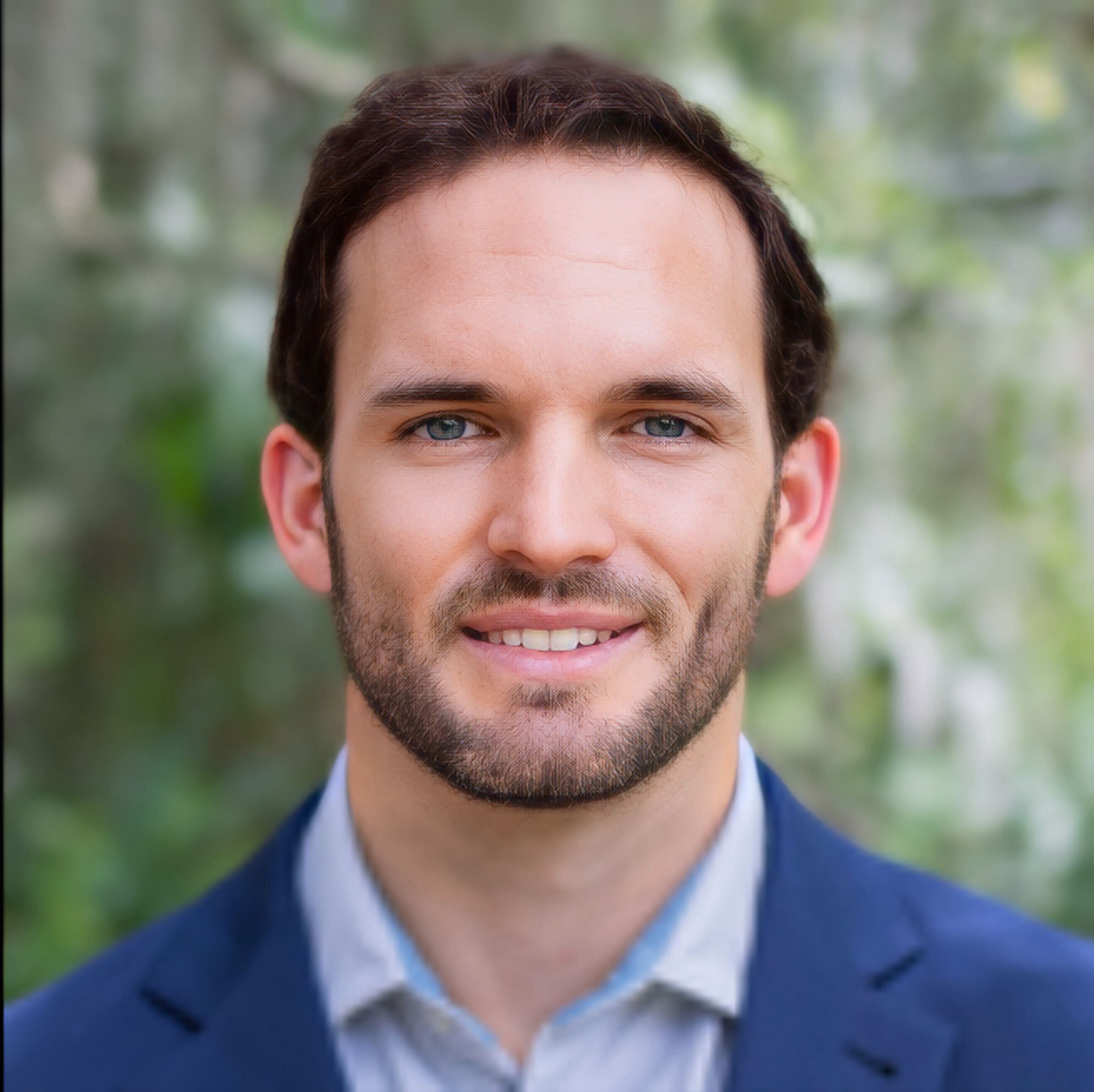
    Sam Skipworth, Principal & CLO

    Sam Skipworth

    Principal & CLO

    Deep expertise in debt, lending, and financial structuring — the capital-stack architect behind every acquisition.

    Jeremy Gerk, Principal & CTO

    Jeremy Gerk

    Principal & CTO

    De-risks the portfolio through technology, data, and automation; builds the diligence and operating systems.

    Spencer Linder, VP Finance & Portfolio Oversight

    Spencer Linder

    VP Finance & Portfolio Oversight

    Financial modeling and quality of earnings.

    Michael Collins, Operations Integration

    Michael Collins

    Operations Integration

    30 years in ops, supply chain, and M&A integration.

    Josh Lowman, Acquisitions & Integration

    Josh Lowman

    Acquisitions & Integration

    Marine veteran; deal sourcing and diligence.

    $100M+

    In deals facilitated through our platform

    3

    Principals with skin in the game

    $1M

    Personal capital committed

    100%

    Hands-on involvement in every acquisition

    We invested $1,000,000 of our own capital before asking for yours.

    The GPs are the fund's first and largest individual commitment. We eat our own cooking — same units, same risk.

    The Same Structure as Your Last Syndication.

    Preferred Return (Pref)

    8% — LPs are paid first from cash flow. If a year misses, it accrues.

    GP/LP Split (Promote)

    80/20 — after the pref and return of capital, 80% of remaining profits to investors, 20% to the GP.

    Quarterly Distributions

    Target cadence for cash distributions from portfolio cash flow.

    Minimum / Maximum

    $100K minimum · $1M maximum per investor.

    Target Raise

    $10M initial raise — $1.25M raised to date, first close in progress.

    Target Profile

    North American businesses, $500K–$5M EBITDA, acquired at 3–5x, diversified across 10–20 acquisitions, leverage never above 3x EBITDA.

    Hold & Exit

    5–7 year value-creation horizon — strategic sale, recapitalization, or continuation vehicle.

    Reporting

    Quarterly investor reports and annual K-1s.

    1

    8% Preferred Return

    Cash flow goes to investors first.

    2

    Return of Capital

    Investors get back their full original investment.

    3

    80/20 Split

    Remaining profits: 80% investors, 20% GP.

    Full terms, fees, waterfall mechanics, and risk factors are in the Private Placement Memorandum.

    How It Works

    Step 1

    Request the Investor Package

    Self-certify accredited status and tell us a bit about your investing background.

    Step 2

    Review & Verify

    Receive the investment thesis and deal materials. Before accepting any investment, we verify accredited status through a third-party verifier — a licensed CPA or attorney letter, or a verification service — as required under Rule 506(c).

    Step 3

    Fund & Receive Distributions

    Complete subscription documents via the PPM, wire funds, and receive quarterly reporting.

    Questions Real Estate LPs Ask

    No. We acquire and operate private essential-service and fabrication companies. The structure (pref, splits, quarterly distributions, K-1s) mirrors a syndication; the assets are operating businesses.

    It isn't. Like a syndication, expect a multi-year hold. Full terms in the PPM.

    Operating businesses carry key-employee, execution, leverage, and concentration risks, among others. The PPM contains a complete risk-factor section — read it.

    Verified accredited investors only, under SEC Rule 506(c).

    $100,000. Maximum $1,000,000 per investor.

    Yes, annually.

    Via the management fee, acquisition/disposition success fee, and promote structure detailed in the PPM. Our interests are aligned through $1M of GP capital invested alongside LPs.

    Get the Full Investment Thesis, Track Record & Fund Structure.

    $100K minimum · Verified accredited investors only · Rule 506(c)

    We'll email your materials and follow up to schedule a call. Accredited status is independently verified before any investment is accepted, as required under Rule 506(c). Your information is never sold.

    Not an offer to sell securities. Any offering is made solely by means of a Private Placement Memorandum ("PPM") to verified accredited investors pursuant to Rule 506(c) of Regulation D under the Securities Act of 1933. Investments in private placements are speculative, illiquid, and involve a high degree of risk, including possible loss of principal. Past performance of the principals is not indicative of future results. Any target returns or acquisition metrics shown are illustrative and are not guarantees or projections of investor returns. This material may contain forward-looking statements; actual results may differ materially.

    Privacy Policy · Terms of Use · Contact