10 Senior Lifestyle Trends Shaping Product Demand
Senior spending is shifting from clinical to lifestyle products - movement, convenience, connection, and subscriptions now drive demand.
 Samson JagorasPrincipal & CEO/CIOJune 23, 2026
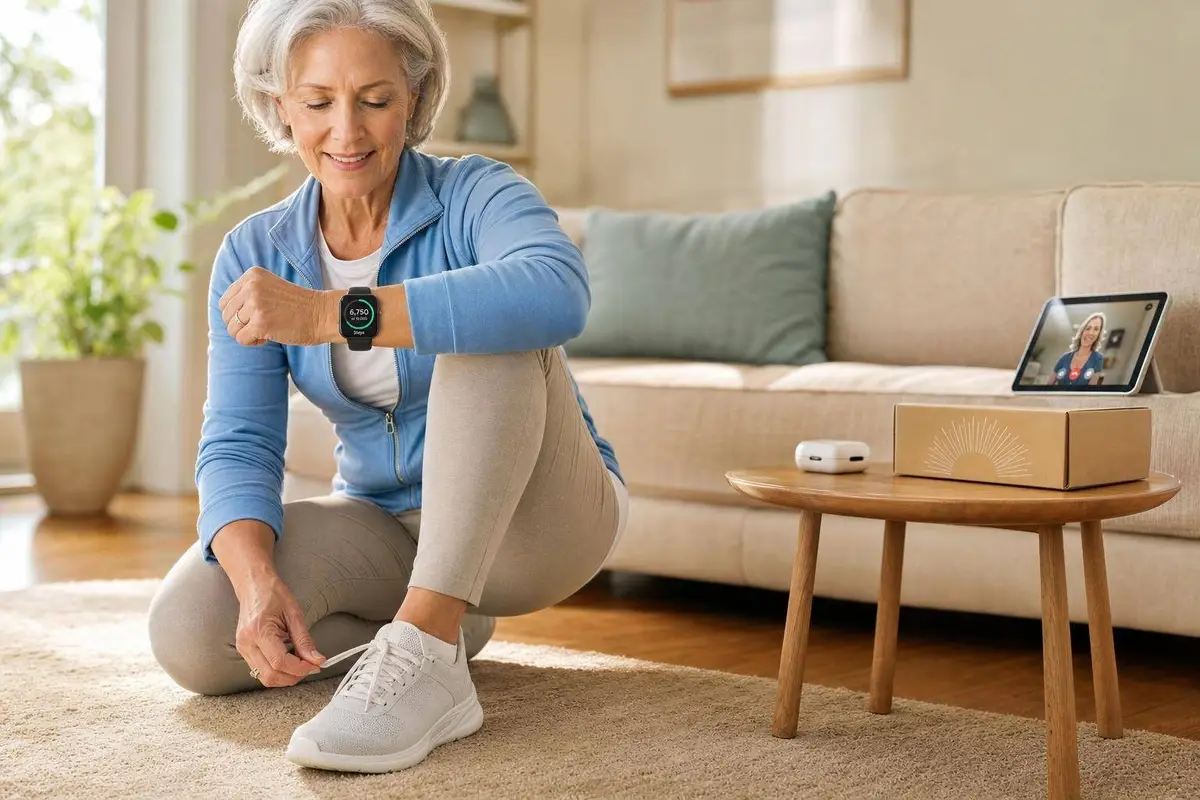
Older adults are driving demand in fitness, home tech, travel, pets, hobbies, and community-based spending. In 2026, adults 50+ control 70% of U.S. disposable income, and 88% say they plan to spend the same or more this year. That money is shifting toward products that help people stay active, live at home longer, connect with others, and enjoy daily life.
If I had to sum up the article in one line, it would be this: senior spending is moving away from clinical products and toward lifestyle products with repeat-purchase or membership potential.
Here’s the full picture at a glance:
- Active aging: comfort footwear, e-bikes, trikes, and health wearables
- Wellness: brain-health tools, nutrition plans, and home devices that support daily living
- Aging in place: products that make home life safer, easier, and more enjoyable
- Tech use: learning tools, connection apps, and simple digital services
- Community: clubs, peer-led groups, and shared activity products
- Travel: portable gear, foldable mobility products, and longer-stay services
- Premium spending: better-designed lifestyle products with setup and support
- Pets: repeat spending on food, care, grooming, and convenience services
- Hobbies and learning: art supplies, class kits, music gear, and learning platforms
- Purpose-led buying: durable goods, repair services, and community-based memberships
A few numbers stand out:
- 84% of Americans over 50 want to stay in their homes
- 79% move into senior living for social interaction
- 83% say connection is the top driver of well-being
- Smart-home ownership among adults 50+ grew from 10% in 2019 to 27% in 2024
- The AgeTech market could reach $120 billion by 2030

2026 Senior Living Trends

Quick Comparison
| Trend | What people want | What sells |
|---|---|---|
| Active aging | Movement, safety, independence | Footwear, e-bikes, wearables |
| Wellness | Better daily health support | Brain apps, nutrition, home devices |
| Aging in place | Easier life at home | Smart-home tools, monitoring, mobility gear |
| Tech and learning | Simple digital connection | Learning platforms, apps, subscriptions |
| Community | Belonging and shared activity | Clubs, hobby kits, shared-space products |
| Travel | Low-hassle experiences | Portable gear, foldable mobility products |
| Premium lifestyle | Comfort and design | Upgraded devices, service bundles |
| Pet-focused living | Company and routine | Pet food, grooming, auto-feeders |
| Hobbies | Purpose and enjoyment | Supplies, classes, refill kits |
| Purpose-led buying | Long-term value | Durable goods, repair, memberships |
The main business takeaway is simple: the best-fit offers are easy to use, lifestyle-first, and built for repeat revenue through services, subscriptions, memberships, or repeat purchases.
Why Senior Lifestyle Trends Matter for Product Demand
These preferences matter because they show up in what people buy. Adults 55+ make up about 50% of global consumer spending as of 2026, and half of all U.S. adults age 70 and older now live alone. That adds up to a large group of solo agers who care about autonomy, peer connection, and products that make day-to-day life simpler.
Older adults are also spending with a different mindset. Many now lean toward products that save time, cut friction, and hold up over time. Instead of disposable, trend-led purchases, they often put their money into items that solve a clear problem and feel worth the price. In plain terms, this is value-driven spending: buying what feels useful, durable, and worth paying for.
These lifestyle shifts connect directly to product demand. The wish to age in place pushes interest in smart-home tools and low-maintenance living solutions. The focus on preventive health helps drive sales of health-tracking wearables and proactive wellness tools. Social connection feeds demand for community-based experiences and experience-led spending. And small-luxury spending — when seniors treat themselves to modest comforts for an emotional lift — supports steady demand for affordable luxuries.
Put that together, and you get a broader market for products tied to movement, connection, convenience, and enjoyment. You can see it in the categories gaining traction: fitness products, travel gear, hobby supplies, pet accessories, and connected-home conveniences. These demand shifts show up clearly in the trends below.
1. Active Aging and Fitness
More than 70% of adults 55+ say walking and biking trails, fitness centers, and wellness amenities matter when they choose where to live. That tells you a lot. Demand isn’t just moving toward fitness gear. It’s moving toward products that help people stay active in ways that feel easy, safe, and part of everyday life.
The top categories are slip-resistant comfort footwear, step-through e-bikes and trikes, and preventive health tech. Slip-resistant, comfort-first footwear keeps showing up as the most-searched senior product category. Step-through e-bikes and adult electric tricycles are also gaining traction because they support cardiovascular health and make it easier to stay mobile without giving up independence. Smartwatches with fall detection and AFib alerts are picking up for the same reason: they offer health monitoring without adding hassle. That same pull toward simple support also shows up in wellness spending more broadly.
For those buying an existing business, this space stands out because it can lead to repeat sales and monthly income. Footwear brings seasonal repeat purchases. Wearables can bring subscription and consumable revenue. Wellness memberships and coaching programs can create steadier cash flow. In 2024, RoseVilla Senior Living launched TakeRoot, a tiered membership that gave prospects access to amenities, wellness programming, and coaching. That blend of access, convenience, and coaching helps explain why recurring-revenue models work so well here.
Products that feel too clinical tend to lose appeal. Gear and spaces built around comfort, ease of use, and day-to-day lifestyle are a better match for the active-aging shift.
| Product Category | Recurring Revenue Model | Key Demand Driver |
|---|---|---|
| Slip-Resistant Comfort Footwear | Repeat seasonal purchases | Comfort, slip-resistance, fit |
| E-bikes & Electric Trikes | Maintenance and service contracts | Independent mobility |
| Wearable Tech | Subscriptions and consumables | Preventive health monitoring |
| Wellness Memberships | Monthly coaching and access fees | Personalized, holistic wellbeing |
2. Whole-Person Wellness and Preventive Health
Fitness is just one part of the picture now. Adults 60+ are looking for products and services that support physical, emotional, cognitive, social, spiritual, and environmental health. That shift is pushing demand toward options that help people feel better without feeling clinical. As Ellen Lowre, RDN, LDN of CCL Hospitality Group puts it:
"Wellness used to mean a workout class or a healthy meal. Now, residents expect something far more comprehensive: an approach to wellbeing that supports their physical, emotional, social, spiritual, cognitive, and environmental health."
The numbers back that up. 78% of older adults in senior living and 83% of prospective residents say mental fitness is essential to their well-being. On top of that, 65% of current older adults and 61% of future older adults want wellness tracking that includes built-in tech. That changes what people buy. Demand now stretches well past exercise gear into products that help with daily independence, memory, and recovery.
Some categories stand out. Brain-health tools, personalized nutrition, and smart-home products are seeing the most pull. Brain-focused nutrition, cognitive training, and meal-delivery or coaching subscriptions all line up with the move toward preventive care and repeat purchases.
Ease of use matters just as much as the product itself. 59% of older adults say current tech wasn’t built with them in mind. That’s why voice controls and automated sensors are gaining traction. They cut down friction and make support feel simple instead of frustrating. The goal is plain: help people stay independent without piling on more steps.
For SMBs, the opening is hard to miss. The AgeTech market is projected to reach $120 billion by 2030, and smart-home tech ownership among adults 50+ nearly tripled from 10% in 2019 to 27% in 2024. Businesses that pair hardware with professional installation and ongoing monitoring can bring in repeat customers and recurring revenue. The same low-friction demand shows up in products that make home life safer and easier.
| Product Category | Recurring Spend Potential | Key Demand Driver |
|---|---|---|
| Brain Health Tools | Medium (app/program fees) | Fear of cognitive decline |
| Personalized Nutrition | High (consumables/delivery) | Preventive health and longevity |
| Smart Home Tech | Low to High (hardware + monitoring) | Safety and independence |
| Remote Monitoring & Wearables | High (monthly subscription) | Chronic disease management and fall detection |
3. Aging in Place With Recreational Add-Ons
Most older adults don’t want to move. 84% of Americans over 50 prefer to stay in their own homes instead of moving to assisted living. And aging in place isn’t just about grab bars and safer stairs anymore. It now includes recreation, mobility, and day-to-day ease. That changes demand from basic safety items to products that make life simpler and a bit more enjoyable.
The best-selling products in this space tend to help with mobility without creating extra hassle. Buyers are looking for e-bikes with step-through frames, adult electric tricycles, and ambient tech that works quietly in the background. Adult electric tricycles are a good example. They can help extend local independence by making it easier to run errands or get around the neighborhood with simple, easy-to-secure, go-anywhere use.
That same pull toward low-hassle living also opens the door to recurring service revenue. Micro-mobility products need battery replacements and pro servicing. Smart home systems often come with subscriptions and tech support. So the repeat spend here doesn’t come from one source. It comes from battery replacements, servicing, subscriptions, and support.
Usability is still the biggest thing standing in the way of conversion. If a product takes too much setup or depends on tricky smartphone navigation, people drop off fast. Voice-activated interfaces like Amazon Alexa have become the easiest entry point because they remove that friction. Businesses that pair hardware with pro installation and steady support are in a better spot to serve this market.
| Product Category | Recurring Spend Type | SMB Opportunity |
|---|---|---|
| Micro-Mobility (e-bikes, trikes) | Battery replacements, maintenance, servicing | High |
| Smart Home Tech | Subscriptions, tech support, upgrades | Medium |
| Health Monitoring Devices | Monthly monitoring fees, data analytics | High |
| Ambient Computing | Software subscriptions, professional install | Medium to High |
4. Tech-Enabled Leisure, Learning, and Connection
Beyond physical wellness, seniors are putting more money into digital leisure, learning, and staying in touch. Today’s older adults are more at ease with tech than earlier generations, and they now expect simple, reliable connectivity as a basic part of daily life. AI use among adults 50+ climbed from 18% in 2024 to 30% in 2025. Older adults also spent an average of $756 on technology in 2025, and 71% made at least one tech purchase that year.
The strongest demand shows up in digital brain-health tools, online learning platforms, and social connection apps. That demand centers on three main product areas. Mental fitness matters to 78% of current residents and 83% of future residents. On top of that, 65% of current residents and 61% of future residents want tech built into their health tracking. These products are not medical must-haves. They’re lifestyle tools that help people stay engaged, keep learning, and enjoy their time.
Even so, adoption still comes down to a few plain factors: privacy, ease of use, and setup help. A product can have great features, but if login feels like a chore or setup turns into a headache, people may walk away. Products with clean interfaces, human-led onboarding, voice-first controls, and fingerprint or face login are in a better spot for repeat use.
The strongest business openings lean toward subscriptions. Digital brain-health platforms, online learning memberships, micro-work tools, and community memberships can bring in steady revenue over time. Products that pair simple hardware with ongoing support can also drive repeat spending. That same pull toward belonging shows up in clubs, group activities, and community-based experiences.
| Product Category | Recurring Spend Type | Business Opportunity |
|---|---|---|
| Digital Brain Health Platforms | Monthly/annual subscriptions | High |
| Online Learning Communities | Course fees, membership tiers | Medium to High |
| Connection Apps | Subscription, in-app features | High |
| Micro-Work Tools | SaaS subscriptions | Medium |
| Digital Community Memberships | Club memberships | Medium to High |
5. Social Clubs, Intergenerational Experiences, and Community
Older adults aren’t just spending on digital tools. They’re also paying for in-person community. That makes sense. Social connection is a major reason people spend in this market: 79% move into senior living for social interaction, and 83% say connection is the main driver of their overall wellbeing.
At the same time, many seniors are moving away from staff-run activities and toward peer-led clubs, plus hobby-based and interest-based groups. In plain terms, people want to join things they help shape. They don’t just want a calendar handed to them. That shift also boosts sales of products that make group activities and shared recreation easier.
You can see this change in a few clear examples. 2Life Communities in Newton, Massachusetts, built its “Opus” model around residents volunteering 10 hours per week to help with community operations. The result is deeper social ties and lower labor costs. On the intergenerational side, mixed-age communities like Serenbe in Georgia — which broke ground on a 97-unit village-style development in 2026 — create more demand for shared activities and flexible recreation products. There are also over 350 member organizations in the Village Movement, grassroots networks that help neighbors age in place through intergenerational support.
This pattern drives spending across a clear set of categories:
- Group game sets
- Hobby supplies
- Event kits
- Shared-space furnishings
- Membership-based activity packages
For brands and operators, the appeal is pretty direct. These community formats support recurring revenue through memberships, activity kits, hobby supplies, group-event products, and community programming. They also expand demand for shared recreational products and member-driven experiences.
6. Travel, Micro-Adventures, and Experience-First Spending
That same pull toward connection and activity now shows up in travel too. Older adults are putting more money into meaningful experiences instead of piling up more stuff. And that shift is pushing demand for products that make getting around easier, simpler, and less stressful.
One clear sign is housing. About 66% of 55+ buyers prioritize low-maintenance homes so they can take longer trips, go on cruises, and visit family more often. That lines up with product demand for portable security devices, foldable mobility gear, and compact packing aids.
Travel habits are changing in another way too. Many people want longer stays in one place rather than rushed, stop-and-go trips. The goal is more time to settle in and get a feel for the place. Some seniors are also mixing travel with part-time remote work, which helps drive demand for portable, durable, easy-to-use products like lightweight laptops, compact connectivity devices, and long-term rental services.
Micro-adventures fit neatly into this shift. Foldable e-bikes, compact trikes, and lightweight rollators for local outings and excursions are gaining traction as go-to tools for getting out and doing more.
There’s also a money angle here that matters. 74% of consumers are willing to switch brands on essentials to save for planned splurges on experiences. That tells you a lot. Travel-friendly mobility products, experience-based programs, and low-maintenance services have room to drive repeat purchases and loyalty. It also points to demand for premium, convenience-first products that help people spend less time dealing with hassles and more time enjoying the trip.
Ready to Make Your Next Move?
Whether you're buying, selling, or investing — Clearly Acquired gives you the tools, data, and support to close with confidence.
7. Luxury and Lifestyle-Upgraded Senior Offerings
Adults over 55 make up about 50% of global consumer spending. More of that money is going to premium products that make life more comfortable, simple, and enjoyable day to day. In plain English: demand is moving toward products that feel like an upgrade, not a workaround.
You can see it in the way many seniors spend, even when money is tight. They’re choosing comfort and design on purpose. That might mean premium mobility gear, discreet hearing tech, or smart-home products that stay out of the way and just do their job. For brands, that opens the door to charge more for design, convenience, and support.
For SMB operators and investors, the play is pretty clear. Take a basic product and turn it into a premium offer with setup, support, and membership-style revenue. Digital, rechargeable hearing amplifiers can range from about $120 to more than $1,175 for high-end medical-grade models. Some advanced units have posted repeat-order rates as high as 21%. That kind of pricing spread matters. It shows that people aren’t only buying function. They’re paying for ease, fit, and peace of mind.
RoseVilla Senior Living in Portland, Oregon, gave a strong example of this in 2024. It launched its “TakeRoot” waitlist program with tiered deposits from $3,000 to $90,000, while giving future residents immediate access to the 22-acre campus, wellbeing programming, and coaching before move-in. Instead of treating the waitlist like a holding area, RoseVilla turned it into an active source of revenue.
The businesses in the best spot are the ones that lead with design and autonomy, not function by itself. With 89% of current residents and 87% of future residents saying lifestyle offerings should reflect their personal preferences, generic products start to fall flat. Operators that build around that idea, whether through product design, service bundles, or community programming, are more likely to win loyalty and protect margin in this market. That same premium mindset also shows up in companion-focused spending, which leads into the next trend.
8. Pet-Friendly Lifestyles and Companion-Focused Products
Comfort-first spending now shows up in pet ownership too. For many adults over 60, a pet isn’t just a pet. It’s part of daily life, daily routine, and day-to-day company. That matters even more for solo agers. By 2038, most Americans age 80 and older are expected to be older adults living alone, which adds more demand for pet-centered routines.
Senior communities have moved with that shift. Many now offer pet-friendly amenities as a normal part of the setup, including on-site dog parks, pet-friendly common areas, and walking paths. Once pet ownership becomes part of everyday life, spending tends to repeat. Food, treats, supplements, grooming, mobility aids, and safety products all become steady purchases instead of occasional ones.
This is why the category leans so heavily toward repeat spend, not one-and-done sales. Emotional spending helps keep demand strong. And products or services that make life easier — like automated feeders and grooming subscriptions — line up well with seniors’ preference for simpler living.
For SMBs, the best openings are in pet retail, grooming, subscriptions, and convenience services that bring customers back again and again. Those convenience services can also improve retention and make demand easier to forecast. The same recurring-demand pattern also appears in hobbies and hands-on pastimes.
9. Creative Hobbies, Lifelong Learning, and Arts Participation
As seniors put more money into leisure that feels meaningful, spending is moving toward products that support learning, making, and self-expression. Adults 60+ now spend more on hobbies, classes, and arts products instead of sticking with older pastimes alone. That includes craft tools built for easier use, large-print learning materials, subscription class kits, art supplies, musical instruments, and accessible learning platforms. These purchases point to something simple but important: people want purpose, identity, and room to keep growing, and that shows up again and again in what older adults buy.
That change is pushing demand toward products and services that make it easier to join in, stick with it, and enjoy the process. Seniors want options shaped around how they like to live and learn, not products picked for them. And that expectation is changing where their dollars go.
This category also has a clear repeat-spend angle. Subscription-based cognitive training tools, university audit course fees, and hobby supplies like art materials, musical instruments, or easier-to-use craft tools can all support recurring revenue. Put plainly, memberships, class access, and refill-style hobby kits can keep customers coming back. For businesses, that matters a lot.
For SMBs and acquirers, the best openings are in companies that support accessibility and repeat engagement, especially lifelong learning platforms, cognitive health tools, and hobby or arts experiences seniors can use on their own. The big usability factor is low-friction design: simple support in the background that helps people stay independent without making the product feel clinical or hard to use. That same search for meaning also helps drive demand for products built around purpose and community.
10. Sustainable, Purpose-Driven, and Community-Oriented Choices
Older adults are spending with more care. In the U.S., adults 60+ are leaning toward purpose-led spending: products that last, brands that match their values, and experiences that feel meaningful.
That outlook shapes buying behavior in a direct way. Seniors are moving away from products made to be replaced fast and toward durable goods with long-term use. In plain English, they want items that hold up, can be repaired, create less waste, and stay useful for years. People over 55 make up about half of global consumer spending, so brands that focus on reliability, ease of use, and long-term value are in a strong position. At the product level, demand shifts toward goods that last longer and cost less to replace.
Living patterns matter here too. About 50% of U.S. adults age 70 and older are solo agers living alone. That is pushing demand toward products and services that offer both practical help and social connection. Shared-living models like agrihoods and co-housing stand out because they mix resource sharing with a sense of community. For operators, the opening is simple: cut waste while making daily life easier.
The revenue side is pretty clear. Preventative health coaching and wellness memberships can drive repeat spend. Tiered memberships and pre-move-in access programs can do the same.
This is also an area where SMBs and buyers can win if they build with residents, not just for them. As Ellen Lowre, RDN, LDN, of CCL Hospitality Group, puts it:
"Residents don’t want ‘programs done for them’ - they want ones built with them."
When older adults get to lead, contribute, and shape the things they join, they tend to stick around longer. That kind of involvement supports repeat spend and points straight to recurring revenue in memberships, repair, and community-based offerings.
Where Business Opportunities Are Emerging
These shifts are opening up clear paths in pricing, mobility, and community-led revenue.
One pattern stands out fast: people want access built in, not tacked on later. Seventy-five percent of future residents say well-being amenities should be part of the base offering instead of a premium upsell. That makes bundled pricing and recurring memberships a strong fit.
Middle-income seniors are still missing from much of the market. Nearly 16 million may be unable to afford standard senior living by 2033. At the same time, monthly rates for this group often land between $3,500 and $6,000. That price band shows the tension. The market is there, but serving it often calls for hybrid pricing and lower-friction cost structures.
Location shapes demand too. Walkable micro-campuses in urban and suburban town centers are gaining traction because they help people stay connected across generations while also supporting shared lifestyle products and community programming. University-Based Retirement Communities are another niche worth watching. They appeal to academically minded seniors who want campus amenities and programming, course auditing, and intergenerational experiences.
Travel habits are opening a different lane for revenue. Active retirees and remote-working retirees are looking for 3- to 6-month extended stays that help them settle into a place instead of just passing through. That creates room for extended-stay rentals and travel-friendly subscription products.
On the product side, e-bikes, adult electric trikes, and other micro-mobility options line up well with aging in place. They help older adults stay independent close to home. Design matters here too. This group tends to respond better to lifestyle-first, non-institutional aesthetics.
Another model getting attention is waitlist monetization. Instead of treating pre-move-in interest as passive, operators can turn it into revenue through tiered access programs. That builds stronger prospect relationships early and brings in income before a unit opens.
The table below shows where these openings are most likely to turn into revenue.
| Business Model | Core Revenue Driver | Best-Fit Segment |
|---|---|---|
| Waitlist Membership | Tiered deposits + early amenity access | High-demand urban/suburban campuses |
| Home equity + volunteer offset | Home equity + resident labor offset | Middle-income seniors |
| UBRCs | Access to campus amenities and programming | College towns; academically oriented buyers |
| Slow Travel Rentals | Extended stays (3–6 months) | Active retirees; remote-working retirees |
| Subscription Wellness | Recurring coaching and health monitoring | Mid-market to premium communities |
Comparison Tables
Four tradeoffs shape senior lifestyle revenue: recurring vs. one-time sales, physical vs. hybrid delivery, mid-market vs. luxury pricing, and classes vs. kits. Put simply, these are the business model choices that turn senior lifestyle demand into revenue.
Some models work best when the customer needs steady support. Others win because they’re simpler to buy and easier to run. The tables below show where each setup has the edge, and where it starts to strain.
Subscription vs. One-Time-Purchase Senior Tech
Subscription models work best when the product needs to keep delivering value after the first sale. One-time hardware is easier to sell because it feels simple. But after that first purchase, retention usually comes down to replacement timing or add-on services.
| Feature | Subscription Tech | One-Time Purchase Tech |
|---|---|---|
| Revenue Model | Recurring monthly or annual fees | Upfront, transactional payment |
| Customer Retention | High - ongoing engagement builds loyalty | Low - retention depends on replacement cycles |
| Operating Complexity | High - requires privacy controls and ongoing software updates | Moderate - inventory management and seasonal marketing alignment |
| Accessibility Support | Ongoing - includes passive monitoring and support | Limited - focused on initial hardware setup |
| Margin Profile | 70%–85% gross margins | Lower - hardware cost-dependent |
In-Person vs. Hybrid Communities
In-person models are strong at building connection. People feel it right away: shared meals, daily routines, face-to-face support. Hybrid models take a different path. They cut labor pressure and physical overhead, while still giving members a way to stay engaged.
| Feature | In-Person Communities | Hybrid Communities |
|---|---|---|
| Revenue Model | Monthly rent and care fees ($5,350 median) | Membership fees, waitlist deposits, or home equity |
| Customer Retention | High - relocation is a major barrier to exit | High - early engagement via waitlists and tech |
| Operating Complexity | High - 99% of nursing homes and 96% of assisted living facilities face staffing shortages | Moderate - requires tech integration and remote support |
| Accessibility Needs | High - physical ADA design, 24/7 on-site care | High - only 48% of adults aged 80 and older feel confident using online-only features |
| Margin Profile | Variable - pressured by labor costs and inflation | Higher - lower physical overhead and more tech-scalable |
Mid-Market vs. Luxury Senior Lifestyle
Luxury operators have more room to deal with rising costs because residents can absorb price increases. Mid-market operators don’t get that same cushion. They face tighter pricing and thinner margins, which makes day-to-day execution a lot less forgiving.
| Feature | Mid-Market Lifestyle | Luxury Lifestyle |
|---|---|---|
| Revenue Model | Monthly rent ($3,500–$6,000/month) | High monthly rent ($7,000+) plus entry fees |
| Customer Retention | Moderate - price-sensitive residents | High - driven by exclusive amenities |
| Operating Complexity | High - requires extreme cost efficiency | High - hospitality-driven service model |
| Accessibility Needs | High - must balance cost against care quality | High - integrated “Active Adult Plus” wellness |
| Margin Profile | Thin - squeezed by labor and inflation | Robust - better ability to pass costs to residents |
Class-Based Revenue vs. Hobby Kit Sales
Classes make money from repeat participation. Kits make money from convenience. That’s the core split. Classes tend to hold people longer because social ties keep them coming back. Kits are simpler to ship and scale, but they’re often more transactional unless the brand becomes part of a customer’s routine.
| Feature | Class-Based Revenue | Hobby Kit / Product Sales |
|---|---|---|
| Revenue Model | Recurring fees or membership | One-time purchase |
| Customer Retention | High - social bonds drive repeat participation | Low - transactional by nature |
| Operating Complexity | High - requires skilled instructors and scheduling | Low - logistics and inventory focused |
| Accessibility Needs | High - physical and cognitive adaptation required | Moderate - ergonomic design matters |
| Margin Profile | Moderate - labor-intensive delivery | High - if positioned as lifestyle, not commodity |
These revenue models point directly to the business openings that follow.
What Operators and Investors Should Evaluate
These trends may point to demand. But demand alone doesn’t put money in the bank. If you’re looking at a senior-focused business, judge it by unit economics, not just the size of the market. A big market can still produce weak returns.
Start with revenue quality. Recurring revenue tends to be a better sign than one-off sales, especially in this space. That includes:
- memberships
- subscriptions
- pre-opening deposits
Then look at how steady demand is. Don’t judge performance by the busiest stretch of the year. Check results across a full 12-month calendar, not just peak months.
Staffing also plays a huge part in retention. Residents stay when service stays steady, and that usually comes down to the people doing the work every day. Look closely at turnover, pay, training, and whether the business can keep service levels steady when things get messy.
Operational risk deserves the same level of scrutiny as demand. Review ADA compliance, emergency planning, insurance, and maintenance reserves. If the model is community-based, association reserves and governance need close review too.
Clearly Acquired helps buyers source, underwrite, finance, and close senior-focused acquisitions.
Conclusion
Adults 50+ control $124 trillion in assets, and 88% say they plan to spend the same or more this year. That spending power is already showing up in what seniors choose to buy.
The signal from these trends is pretty clear: seniors are spending on products that support movement, convenience, connection, and enjoyment. Demand is strongest in fitness, travel, pet, hobby, and home-leisure products. The businesses in the best spot are built around the way older adults live, spend, and stay engaged.
This is not a short-term shift. Senior living is more and more a chosen lifestyle shaped by independence, wellness, connectivity, and meaningful engagement.
The best long-term opportunities go to businesses that treat seniors as active participants, not as a group defined by old assumptions. Whether it’s fitness, travel, pet, or home-leisure, what sells — and why — comes down to one thing: how well the product fits the way older adults actually want to live.
For operators and buyers, the opening is in businesses that turn these preferences into recurring revenue. Clearly Acquired helps you buy and grow a business by sourcing, underwriting, and financing senior-focused opportunities.
FAQs
Why are seniors spending more on lifestyle products now?
Today’s older adults are more active and focused on wellness. They also expect more independence, personal choice, and care that fits their lives better than past generations.
A lot of them are putting off senior living, or shaping it around their own terms, until it delivers the lifestyle perks they want. And as they spend more time researching and comparing options, demand keeps shifting toward recreational and activity-based products instead of one-size-fits-all purchases.
Which senior product categories have the most repeat revenue potential?
Categories linked to daily wellness, mobility, and long-term lifestyle needs tend to have the strongest repeat revenue potential. Footwear is a good example. Demand stays steady, especially for products built around comfort and support.
Other strong categories include assistive audio products, home safety hardware like non-slip fixtures, and wearable health tech such as glucose monitors and fall-detection devices.
What makes a senior lifestyle product easy to adopt?
A senior lifestyle product is easier to adopt when it helps people keep their autonomy and independence, fits personal preferences through flexible options, and cuts down on complexity so it feels helpful instead of like one more thing to manage.
Adoption also gets easier when a product supports low-maintenance, “lock-and-leave” living, offers simple connectivity or tech support, and matches day-to-day mobility needs people actually have.
About the author
Principal & CEO/CIO
Samson Jagoras has 15+ years across finance, real estate, and business acquisitions. He began his career as a Futures & Commodities broker and later served as Chief Strategy Officer of an INC 500 marketing and technology firm, helping scale revenue from $1M to over $100M. Today he buys, builds, and advises a portfolio of companies with a focus on M&A, capital allocation, and operational strategy.